



Wildfire smoke and extreme heat can make it harder to stay comfortable. You may need your air conditioner (AC) to stay safe from the heat, but you also want to keep your AC from pulling smoky air into your home. The goal is simple: keep indoor air clean while keeping your cooling system working efficiently. Read on to find out the dangers of a smoke event, and what to do to stay safe.
Why wildfire smoke is a health concern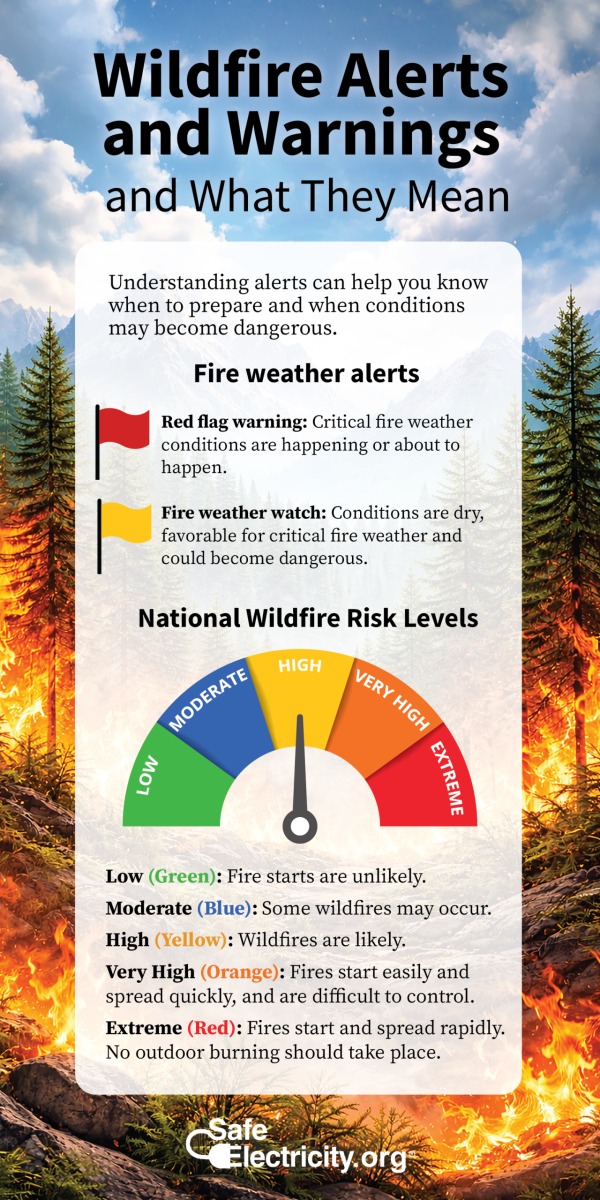
Wildfire smoke contains tiny particles called PM2.5 (fine particulate matter 2.5 micrometers or smaller) that can travel deeper into your lungs as well as irritate your eyes and airways. Symptoms may include coughing, shortness of breath, burning eyes and a runny nose.
How smoke gets indoors
Even with doors and windows closed, smoke can enter through:
- Bathroom and kitchen exhaust fans.
- Attic/whole-house fans.
- HVAC systems that pull in outdoor air.
- Gaps around doors, windows and where utility pipes or cables enter the home.
Sealing leaks with weather stripping or caulk can help limit smoke intrusion and improve comfort. [Editor’s note: add information here on your home energy audit or efficiency programs if applicable.]
Protecting yourself at home
When smoke levels are high, stay indoors as much as possible and keep windows and doors closed. Limit sources of indoor pollution, including:
- Burning candles or incense.
- Frying or broiling food.
- Using gas or wood-burning appliances.
- Spraying aerosols.
- Vacuuming, unless your vacuum has a HEPA filter.
- Smoking or vaping.
Take it easy. Heavy activity makes you breathe faster and deeper, which increases smoke exposure.
Fans move air, but they don’t cool it. The CDC recommends using fans only when indoor temperatures are below 90°F. At higher temperatures, a fan can increase the risk of heat stress.
Stay informed. Check local alerts or AirNow.gov for current air quality.
If you must go outside, wear an N95 respirator to reduce exposure to fine particles. Cloth and surgical masks do not provide sufficient protection.
Making your air conditioning and HVAC work smarter
Your AC can help you stay safe during extreme heat — and your HVAC system can help filter indoor air when it’s well maintained.
- Replace or clean HVAC filters regularly and check them often during smoke events. A clogged filter restricts airflow, increasing energy use and straining equipment.
- For evaporative coolers or central HVAC systems, use the highest efficiency filter your system can handle. The EPA recommends MERV 13 or higher, if compatible.
- If you use a window AC, close the outdoor air damper. If this isn’t possible, consider limiting its use.
- Use single-hose portable air conditioners sparingly as they can pull smoky air indoors. If it has two hoses, make sure the window seal is tight.
- Check ductwork for leaks that could allow smoky air inside.
Don’t forget the outdoor AC unit. Smoke and ash can coat the condenser coil and restrict airflow. After conditions improve, gently rinse visible ash off the exterior (turn the power off first) or schedule professional maintenance if buildup is heavy.
No AC? Use fans carefully, block sunlight with curtains or blinds during the hottest part of the day, and head to local cooling centers or clean-air shelters if indoor temperatures become unsafe.
When outdoor air quality improves, open windows or use exhaust fans to air out your home.
Breathe easier and beat the heat
With these tips, you can reduce smoky indoor air and keep yourself and your home safer and more comfortable during wildfire season.
Air Quality Index (AQI) for fine particles (PM2.5)
- Good (0–50): Little or no risk.
- Moderate (51–100): Acceptable; some risk for unusually sensitive people.
- Unhealthy for Sensitive Groups (101–150): Health risk for sensitive groups.
- Unhealthy (151–200): Health effects likely for everyone.
- Very Unhealthy (201–300): Serious risk for all.
- Hazardous (301+): Emergency conditions. Severe health effects are likely.